Merkado Players and Customers Hub
NPC buyer behavior, customer archetypes, and etiquette on six-player Merkado servers.
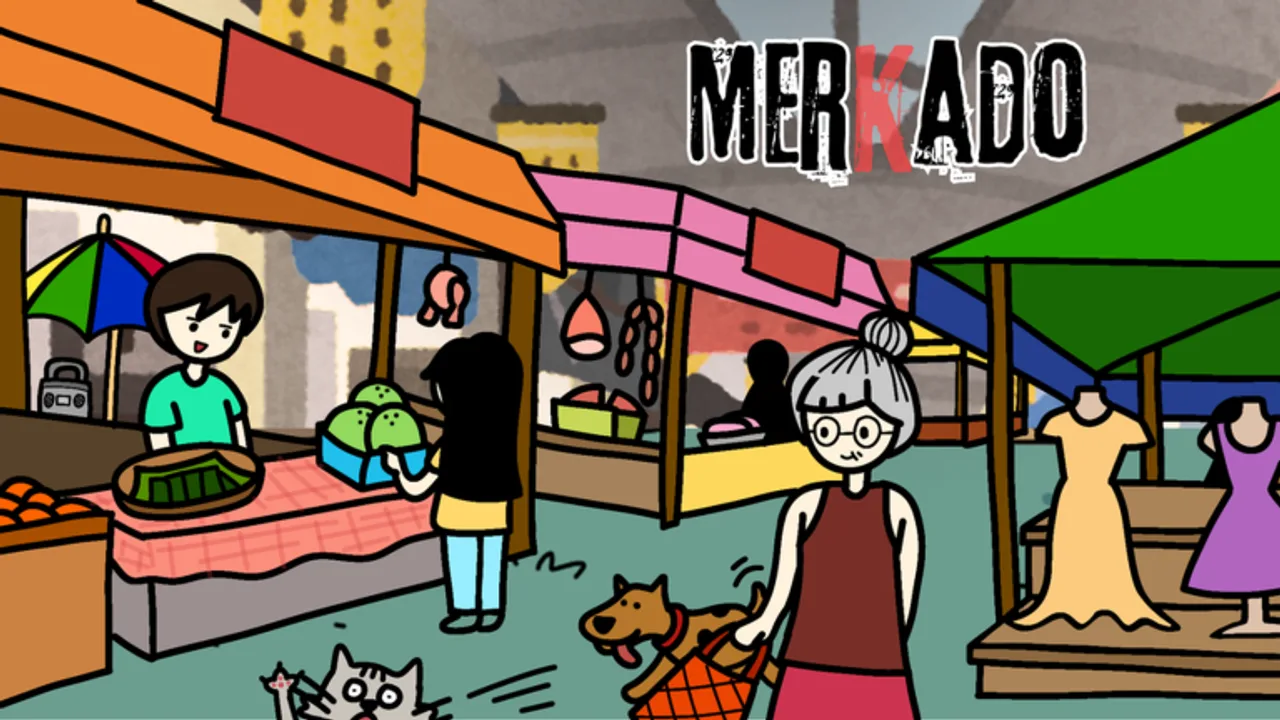
The Players Hub covers who you sell to and who you share the floor with. Merkado is a Lokalidad Studio Roblox Simulation / Tycoon with a server size of six: a handful of human vendors plus a stream of NPC customers doing Filipino palengke fantasies—buying seafood, meat, and vegetables, pushing tawad, and sometimes leaning on utang. Understanding buyer types makes How to Bargain sharper. Understanding human neighbors keeps the market fun instead of blocked. Start here after Getting Started if crowds already feel chaotic.
NPC customer archetypes
Merkado’s customers are not identical click targets. Mentally tag them so your accept/reject rules stay consistent.
The rush buyer
Wants something fast—often vegetables or a simple meat cut. Mild discounts close the sale; hardline stalls can lose them to the next booth. Great for float rebuilds described in Make Money Fast.
The bargain hunter
Opens with aggressive tawad. Reject margin-killing opens, especially on seafood. If they return with a sane counter, close. Training yourself to panic-accept creates a session-long leak.
The basket builder
Adds multiple items. Soft package-style concessions can be worth it if the blended margin still clears restock cost. Watch utang offers on big baskets—credit on a huge tab hurts more than credit on a single tray.
The premium seeker
Targets seafood or event goods. Hold firmer floors. Check the Tier List Hub so you know whether today’s event hype supports standing firm.
The credit asker (utang risk)
Wants goods now, pay later energy. Useful only when your float is healthy and the amount is small. Early game: prefer cash closes. Details in How to Bargain.
Reading demand on the floor
Before a big restock, watch which trays empty across the market—including neighbors’. If every vegetable table vanishes while seafood sits, bias your next buy toward speed. If an event cosmetic or holiday item draws crowds, temporarily promote that category without abandoning your backbone stock.
Codes that inject Money Potion or Candy Corn change how aggressive every archetype feels for a few minutes—prep full tables first (Codes, Make Money Fast).
Multiplayer on six-player servers
Six players is cozy, not anonymous. You will recognize the same avatars restocking beside you. Play for a shared market vibe:
Do
- Leave walkways clear between stalls.
- Restock without camping the shared supply interaction longer than needed.
- Keep NPC queues from spilling across someone else’s tables when you expand layouts (Stall Upgrades).
- Share chill tips in chat if someone is clearly new—point them at Getting Started energy, not spoilers that ruin discovery.
- Compete on stock quality and bargain skill, not on blocking.
Don’t
- Body-block customers heading to another stall.
- Emote-spam or noise-spam to disrupt bargains.
- Race prices to zero just to grief a neighbor—everyone’s economy suffers.
- Expand a footprint that traps players in corners.
- AFK in the supply lane.
Good etiquette keeps servers pleasant and makes it easier to learn real buyer patterns instead of fighting lag and blocked paths.
Human vendors as soft competitors
Other players are not PvP enemies, but they are competition for attention. Win by:
- Fuller, clearer tables.
- Faster serve after each bargain.
- Category mix aligned with the Tier List Hub.
- Potion timing when the floor is hot.
- Upgrade choices that improve throughput instead of vanity-only flexes.
If a neighbor undercuts wildly, hold your seafood floor and beat them on vegetable volume and reliability.
Teaching new players on your server
When a brand-new vendor joins:
- Let them claim and stock without crowding their stall.
- Suggest redeeming codes early.
- Model calm tawad—do not demonstrate panic accepts.
- Mention utang danger briefly if they seem to give everything away.
A healthier server means more stable NPC flow for everyone.
Linking customers to progression
- New to serving? Getting Started
- Losing margin? How to Bargain
- Need faster float? Make Money Fast and Codes
- Choosing stock? Tier List Hub
- Growing space without griefing? Stall Upgrades
- Patch changes to spawns or economy? Updates
- Full guide map? Guides Hub
Session habits for better “player sense”
- First two minutes: watch which archetypes dominate.
- Adjust restock toward observed demand speed.
- Set tawad floors per category before the rush.
- Cap utang intentionally.
- Recheck neighbor paths after any layout unlock.
- End session notes: which buyer type paid for your upgrade today?
Merkado’s fantasy only works when the market feels alive. Treat NPCs as readable customers and humans as fellow vendors on a small floor. Master both, and your stall stays busy without turning the palengke into chaos.
Frequently Asked Questions
Quick answers about codes, bargaining, and stall growth.
How many players are on a Merkado server?
Servers hold up to six players. That small size makes etiquette and stall placement matter more than on huge megaservers.
What customer type should beginners focus on?
Rush buyers taking vegetables and simple meat. Close fair deals, rebuild float, then practice firmer tawad on premium seekers.
How should I handle aggressive bargain hunters?
Reject offers that wipe margin—especially on seafood. Accept only when the counter still clears restock cost plus profit.
Is it okay to compete hard with other vendors?
Compete on stock, speed, and bargain skill. Do not block paths, grief queues, or race prices to zero just to hurt a neighbor.
Where do I learn bargaining for each buyer type?
Use the How to Bargain guide for accept/reject rules and utang risk, then return here when multiplayer pressure changes your patience.